Summary
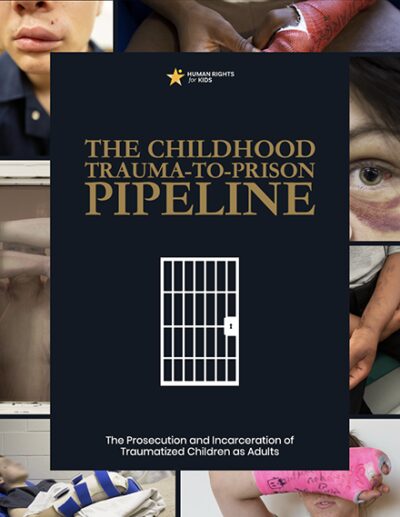
The Childhood Trauma-to-Prison Pipeline examines the connection between severe childhood trauma and the prosecution of young people in the adult criminal legal system. Drawing on survey responses from more than 2,200 incarcerated individuals across 38 states, the report reveals how abuse, neglect, exploitation and instability often precede youth incarceration.
Childhood Trauma Drives Youth Justice Involvement
The report centers on adverse childhood experiences (ACEs), including physical abuse, sexual abuse, domestic violence, parental incarceration, substance misuse and chronic neglect. Respondents experienced extraordinarily high levels of trauma before entering the justice system, the researchers found. The average ACE score among surveyed individuals was 6.31 out of 10 — a level that indicates severe trauma and is far higher than rates found in the general population. To put that in perspective, public-health researchers generally consider an ACE score of 4 to represent high exposure to childhood trauma. Yet, the average child who ended up in the adult criminal justice system had experienced six or more forms of abuse, neglect or household instability.
Many children prosecuted as adults were victims long before they became defendants, the publication argues. Rather than receiving support, treatment or intervention, many of these children encountered punitive systems that criminalized trauma-related behaviors.
Three Common Pathways Into Incarceration
Researcher found more than 98% of children prosecuted as adults fall into one three major categories:
- youth experiencing severe abuse, neglect and trauma that contributed to behavioral challenges;
- victims of forced criminality and trafficking who were coerced into criminal acts; and
- children who committed offenses against abusive adults or exploiters.
These pathways often intersect with poverty, unstable housing, family disruption and systemic inequities, the report emphasizes. Many respondents described chaotic childhood environments marked by violence, addiction, mental illness and abandonment.
The Legacy of "Super Predator" Policies
The publication traces the growth of youth incarceration policies to the 1990s "super predator" narrative, which promoted harsh sentencing laws and expanded the prosecution of children as adults. Although juvenile crime rates later declined significantly and the theory was discredited, the policies remained in place in many states.
Today, every state allows children to be prosecuted as adults under certain circumstances — a reality that ignores decades of research on child development and trauma.
Trauma-Informed Youth Justice Reform
The authors call for reforms that prioritize healing, prevention and rehabilitation instead of punishment. Recommendations include:
- expanding trauma-informed care for children and families;
- reducing the prosecution of youth in adult courts;
- improving mental health and community-based services;
- strengthening child welfare interventions; and
- creating age-appropriate accountability systems for young people.
The report concludes by emphasizing that addressing childhood trauma is essential to reducing incarceration and improving outcomes for young people and communities.