Four Lessons for Youth Justice Leaders From Harris County
How one Texas county reduced youth incarceration, invested in community solutions and transformed a correctional facility into a center for opportunity
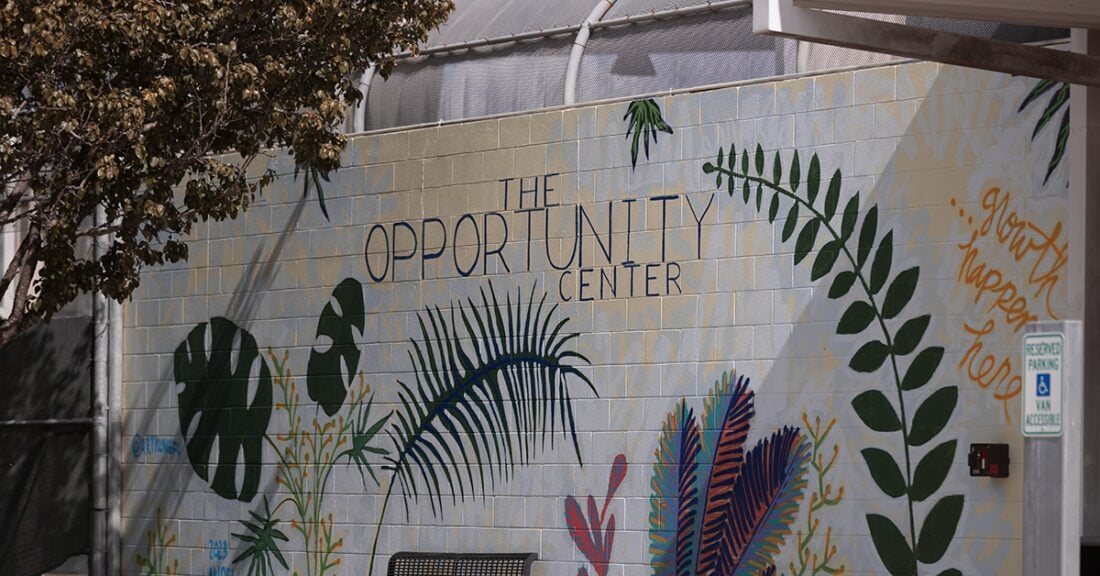
What can youth justice leaders do when successful reforms leave correctional facilities half empty? In Harris County, Texas, leaders saw an opportunity to rethink how these spaces can better serve young people.
Rather than preserve unused detention capacity, the county transformed a former youth correctional facility into The Opportunity Center, a community hub offering education, job training, mentorship and other supports.
The transformation is documented in From Punishment to Possibility: Replacing Incarceration with Opportunity in Harris County, Texas, a new report from Catalyze Justice. The publication identifies four lessons for youth justice leaders seeking to reduce incarceration, strengthen community partnerships and create better opportunities for young people.
“Every day, communities are demonstrating that long-term safety comes from investing in young people, not locking them up,” said Yumari Martinez, executive director of Catalyze Justice. “A better way isn’t just possible; it’s already taking shape.”
The Annie E. Casey Foundation supported Harris County’s reform efforts through funding and strategic guidance and produced a short video on The Opportunity Center.
How Harris County Created Opportunities for Change
Beginning in 2018, leaders from the Harris County Juvenile Probation Department, District Attorney’s Office and Juvenile Board worked with advocates and community organizations to expand diversion and reduce unnecessary confinement.
The changes produced significant results between 2017 and 2020:
- Daily youth detention populations declined by approximately 61%, from 320 to 125.
- Detention admissions and system placements fell by more than 68%.
- Three youth correctional facilities were operating at less than half capacity by late 2019.
These reductions created an opportunity to redirect resources toward community-based support.
The county converted the former Burnett-Bayland Rehabilitation Center into The Opportunity Center, replacing confinement spaces with classrooms, vocational training labs and welcoming areas designed to support young people’s growth.
The center offers GED preparation, job training, credible messenger mentoring, behavioral health services and assistance meeting basic needs. Community organizations help lead programming while probation staff serve as coaches and mentors.
Four Lessons for Youth Justice Leaders
The Catalyze Justice report highlights four strategies that helped Harris County move from confinement toward opportunity.
1. Start With a Clear Vision for Youth Justice
Harris County’s transformation began when leaders redefined the purpose of the youth justice system. Rather than focusing primarily on punishment and confinement, they emphasized public safety, accountability and creating opportunities for young people to succeed.
That shared vision helped align government agencies, advocates and community partners around a new approach.
For youth justice leaders, the lesson is to establish a clear purpose that guides decisions about policies, investments and programs.
2. Reduce Youth Incarceration Before Redesigning Facilities
Harris County expanded diversion and community-based alternatives before transforming its correctional facilities.
As fewer young people entered detention and residential placements, the county found itself operating facilities well below capacity.
Instead of filling unused beds, leaders recognized that the declining population created an opportunity to invest in a different approach.
The report emphasizes that reducing confinement can free resources and create the conditions for broader system transformation.
3. Invest in Communities and Share Leadership
Community organizations were essential to designing and operating The Opportunity Center.
Partners brought expertise in workforce development, mentorship, behavioral health and services that meet young people’s basic needs. Their involvement helped create a program built around supportive relationships and meaningful pathways to adulthood.
Harris County also launched a $4 million Youth Justice Community Reinvestment Fund in 2021 to support grassroots organizations serving neighborhoods most affected by incarceration.
The lesson for other jurisdictions is that community partnerships should extend beyond service contracts. Community organizations can help shape priorities, design programs and lead efforts to support young people.
4. Turn Facility Closures Into Opportunities
When Harris County’s correctional facilities became underused, leaders faced pressure to preserve the existing infrastructure or make beds available for other purposes.
Instead, they chose to repurpose one facility into a community resource.
Heavy steel doors were removed, classrooms replaced confinement spaces and staff roles shifted from supervision toward coaching and support.
The report encourages youth justice leaders to act when opportunities for transformation emerge. Closing a correctional facility can create the foundation for something more beneficial to young people and their communities.
“What stands out about Harris County is that its leaders never stop looking for opportunities to help young people succeed,” said Danielle Lipow, a senior associate at the Foundation. “They consistently ask what they could do differently, they dream big and they work with community partners to bring those dreams to life. Their willingness to rethink how they use their resources offers an important example for other jurisdictions.”
Measuring Success Beyond Reduced Incarceration
Harris County’s transformation also changed how leaders think about youth success.
The Opportunity Center measures progress through educational achievements, employment, internships and supportive relationships rather than focusing solely on whether young people return to the justice system.
The center is now evolving into a career-focused academy with stronger employment pathways and measures of hope, relationships and economic opportunity.
“If you ask me what our biggest success is, it’s not the building — it’s the opportunity we’ve created for young people to grow and become truly themselves,” said Henry Gonzales, executive director and chief juvenile probation officer of the Harris County Juvenile Probation Department.
Harris County’s experience demonstrates that reducing youth incarceration can be a starting point for broader transformation. With a clear vision, community leadership and a commitment to reinvestment, jurisdictions can turn unused correctional capacity into opportunities that help young people thrive.