


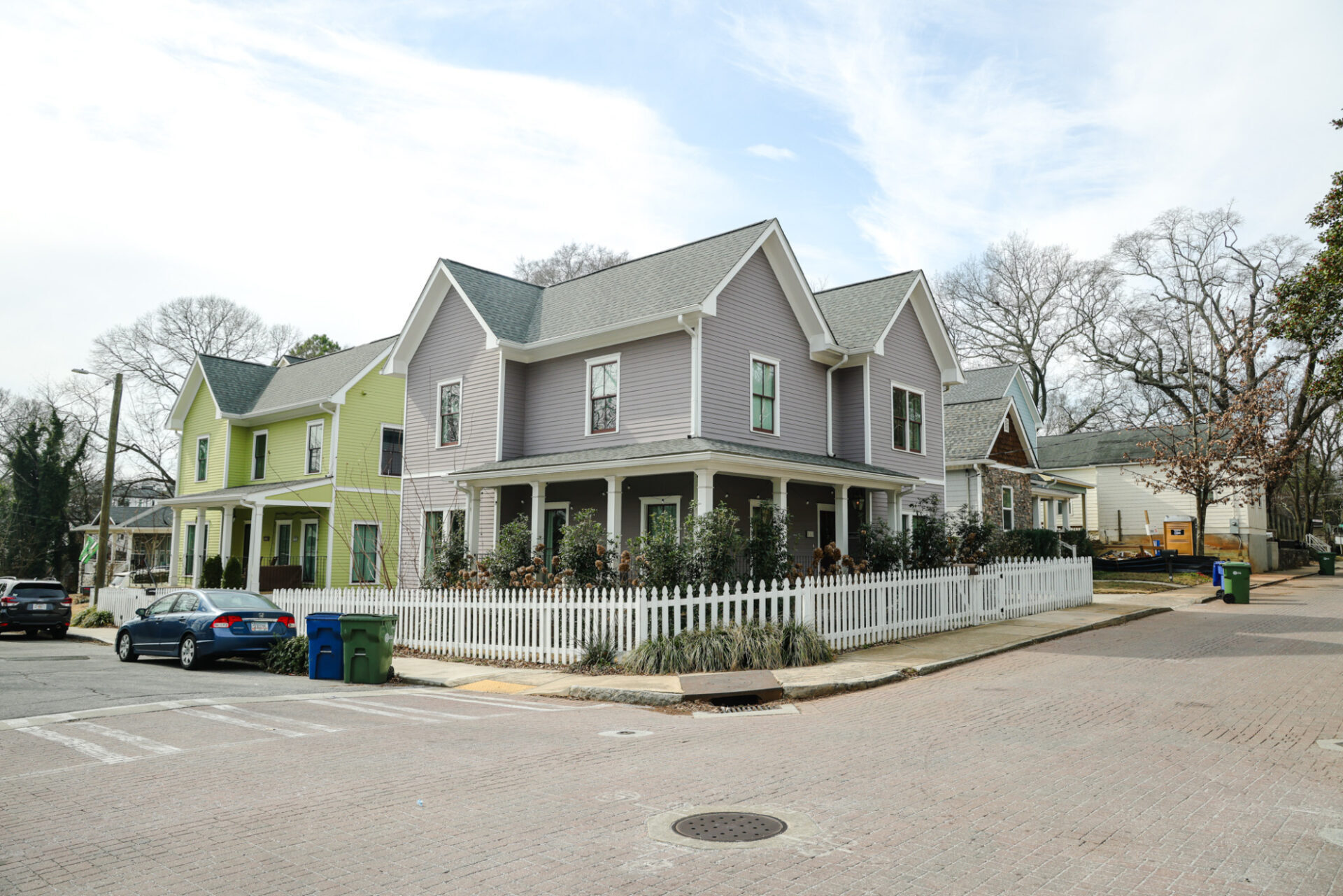
Learn how Casey’s work in Pittsburgh, Atlanta, helped preserve community stability, prevent displacement and inform future place-based investments.
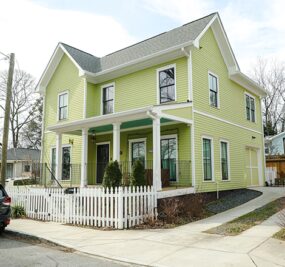
Pittsburgh is one of Atlanta’s oldest neighborhoods, founded in the 1880s and historically a hub for working-class African Americans and local business activity. Beginning in the 1960s, suburban migration and declining home values triggered a long-term economic decline. Decades of disinvestment, discriminatory policies and the 2008 foreclosure crisis worsened conditions, leading to high poverty and unemployment. In response, Casey launched a housing revitalization effort in 2009, redeveloping most of 53 targeted properties and ensuring remaining homes stay affordable through nonprofit ownership.

|

|
Tracy Kartye, director of social investments at the Casey Foundation, and Jesse Clark, Pittsburgh Homes real estate advisor, discuss what it took to invest in affordable housing while preserving neighborhood stability and community voice.
Casey launched the Pittsburgh Homes initiative in southwest Atlanta following the foreclosure crisis to stabilize housing and support low- to moderate-income families. Kartye and Clark detail how impact investing, patient capital and long-term commitment enabled the acquisition and redevelopment of vacant properties in the Pittsburgh neighborhood. The conversation highlights the importance of aligning financial tools with mission-driven goals, especially in disinvested urban communities. Key lessons include:
Partnerships were the backbone of the Pittsburgh Homes initiative. Progress depended on foundations, public agencies, nonprofit developers and community organizations aligning to navigate the complexities of affordable housing in Pittsburgh.




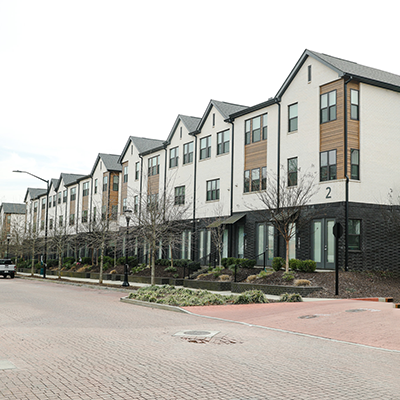
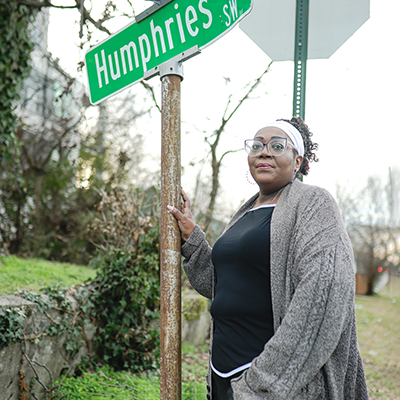
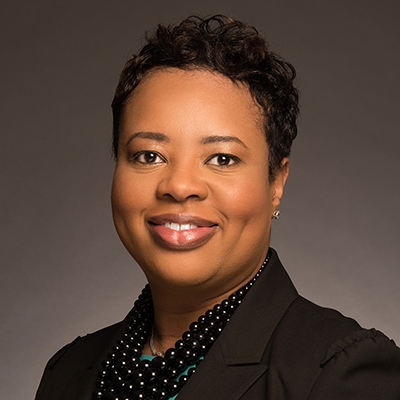
Tomi Hiers, vice president of the Foundation’s Center for Civic Sites and Community Change, reflects on the Pittsburgh Homes initiative as a powerful example of what’s possible when communities are placed at the center of investment. She describes housing as the foundation for children’s futures, shaping access to education, economic opportunity and long-term stability. Hiers highlights that through Pittsburgh Homes, Casey aligned public agencies, nonprofit developers and community voices around a shared vision for redevelopment. The lessons from Pittsburgh Homes point to a broader shift in strategy that aligns housing with a full range of resources.
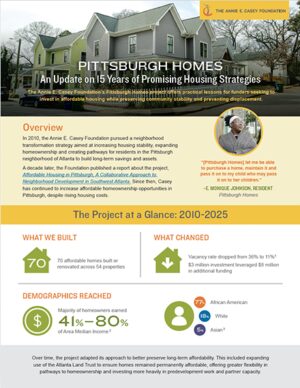
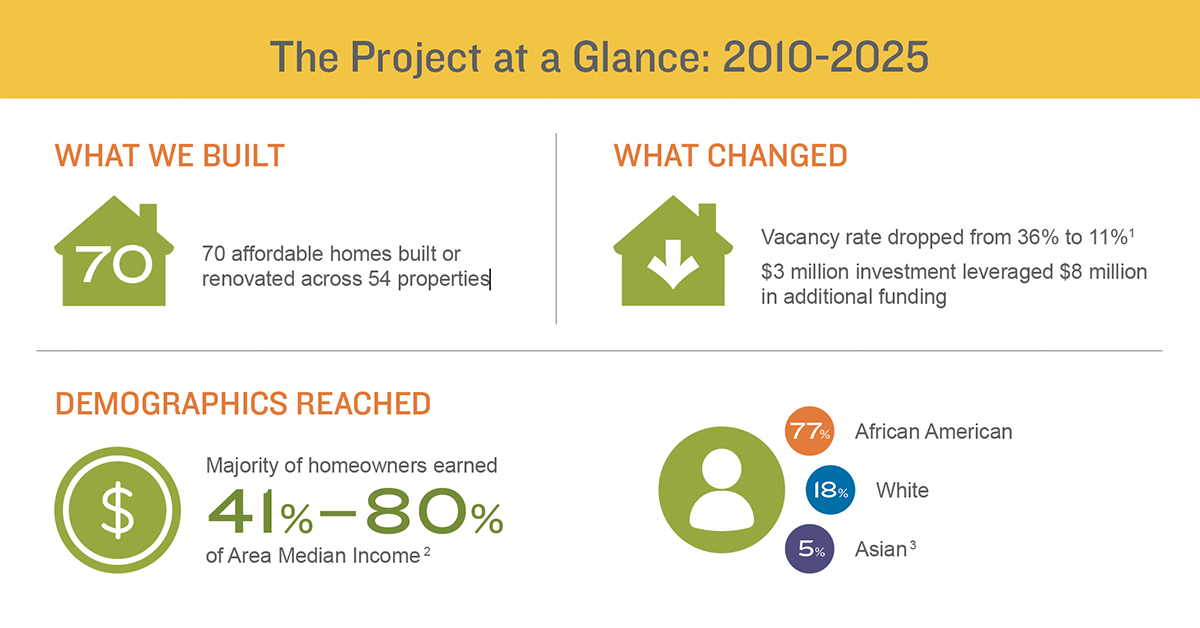
Learn about 15 years of investment in Pittsburgh — what was built, who was reached and how the community changed — and get actionable lessons on investing in affordable housing.

We hope you'll find value in this report. We’d love to get a little information from you, which we'll use to notify you about relevant new resources.
