


Apply Now: Transforming Juvenile Probation 2026 Certificate Program
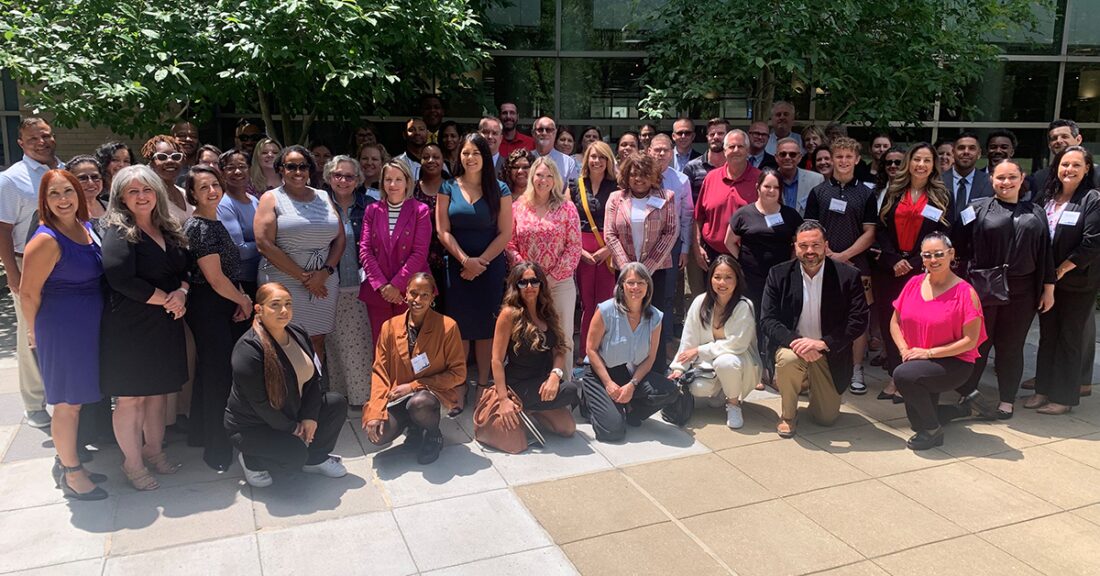
Past participants in the Transforming Juvenile Probation Certificate Program
Georgetown University’s Center for Youth Justice (CYJ) is now accepting applications for the Transforming Juvenile Probation Certificate Program. The week-long certificate program, offered with support from the Annie E. Casey Foundation, aids state and local jurisdictions in adopting a safer, youth-centered approach to juvenile probation.
What Is the Transforming Juvenile Probation Certificate Program?
“This is an opportunity for jurisdictions to fully shift the role of probation away from surveillance and compliance and toward promoting personal growth, positive behavior change and long-term success for youth,” said Steve Bishop, associate director of Probation and System Transformation in the Foundation’s Juvenile Justice Strategy Group.
What Can I Expect From the Transforming Juvenile Probation Program?
The 2026 program will run from June 8 to 12 in Washington, D.C. Practitioners, researchers, policymakers and community representatives will present on an array of topics, including:
- incorporating practices for fairness and opportunity for all;
- youth, family and community partnership and empowerment;
- diversion as an off-ramp from the formal justice system;
- decision making about the length and intensity of probation terms;
- roles of probation officers; and
- leading transformational change.
The program can accommodate up to five teams that will develop and implement a capstone project to transform their jurisdiction’s work. During this time, they will receive technical assistance on a variety of fronts, such as:
- developing and implementing new policies and practices;
- training staff and stakeholders to promote buy-in and collaboration; and
- assessing, evaluating and sustaining progress.
Upon approval of a team’s capstone project, its members will earn an executive certificate from Georgetown University and join CYJ’s network of over 2,100 fellows. The university will also provide teams with extensive technical assistance to support planning and implementation at home.
Who Should Apply?
Each team may have up to 10 members and must include:
- a core probation team:
- chief probation officer;
- field probation supervisor/deputy; and
- line staff member.
- a judge (the presiding juvenile or family court judge or their designee);
- a prosecutor (e.g., district attorney, county attorney);
- a youth representative who is 18–25 years old and has either personal experience with the youth justice system or another form of proximity to the issues (e.g., advocacy, community ties or academic engagement);
- a leader of a community-based organization committed to positive youth development and cross-system collaboration on behalf of young people with justice-system involvement; and
- a defense attorney (e.g., public defender or youth defender).
The application also recommends other team members, including the law enforcement official who leads the juvenile division.
The ideal team also demonstrates most or all of the following characteristics:
- a commitment to comprehensive probation transformation;
- a history of effective implementation of juvenile justice reforms;
- a desire to implement innovative practices and be a national leader in transforming youth justice;
- a history of successful collaboration among agencies, public systems and community stakeholders; and
- the organizational and data capacity to support probation transformation.
What Do Past Participants Say?
Rosie Medina, the chief probation officer who led the El Paso County, Texas, team, noted the “unequivocal value” of participating in the 2022 certificate program. She cited the technical assistance and training as critical to the “implementation of strategies that will be sustainable and will yield improved outcomes for youth involved in our system as we look into the future.”
Henry Gonzales, Medina’s counterpart in Harris County, Texas, appreciated the opportunity to learn from the experiences and insights of others in the field. “Active engagement in the program creates space for conversation that promotes curiosity about doing things differently,” he said.
How Do Teams Apply?
- Download the application packet to learn more about the curriculum, application process, selection criteria and cost of participating.
- Submit your application by Wednesday, March 4, 2026.
WATCH A THREE-MINUTE VIDEO ON PROBATION OFFICERS AS COACHES, NOT REFEREES