


How St. Louis County Is Putting Families at the Center of Youth Probation
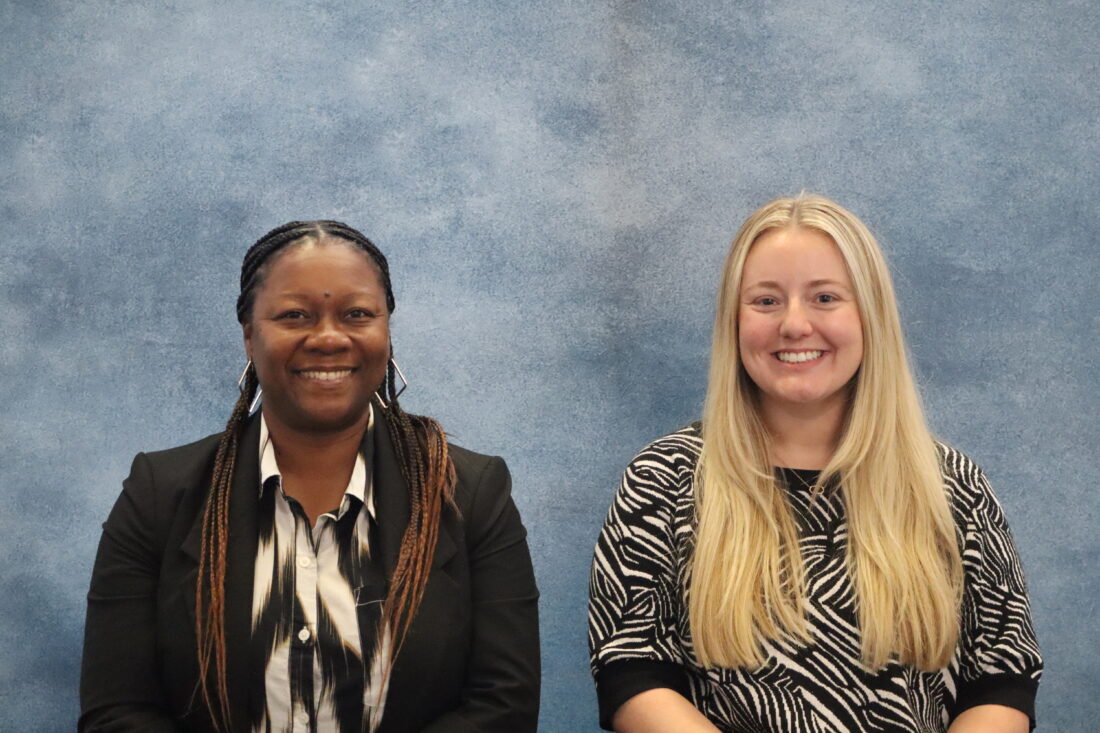
(L to R): St. Louis County’s Tymesha Buckner-Dobyes, director of delinquency services for juveniles, and Maggie Penrose, juvenile probation officer.
For years, leaders in St. Louis County, Missouri, knew they wanted to strengthen partnerships with young people and families in probation. They believed families should play a more active role in case planning but lacked a clear roadmap for turning that vision into everyday practice.
Family-Engaged Case Planning training, delivered by Harley Consulting Group and a team of trainers funded by the Annie E. Casey Foundation, provided that roadmap.
Since participating in the training, the department has reexamined its policies, strengthened staff and community partnerships and shifted its approach from managing compliance to building relationships. Along the way, it has learned lessons that may help other jurisdictions put families at the center of case planning.
How Family-Engaged Case Planning Changes Youth Probation
Family-engaged case planning begins with a simple premise: Young people and families should be active partners in decisions that affect their lives.
Court-ordered requirements remain in place, but probation officers begin by learning what matters most to young people and their families. Together, they identify the young person’s strengths, establish common ground goals and develop a case plan that supports both the court’s expectations and the family’s priorities. The plan includes action steps that everyone — including probation officers, family members and community partners — agrees to support.
For St. Louis County, that required more than learning a new practice. It meant changing how the department viewed its role.
“We wanted to show up differently for youth and families,” said Tymesha Buckner-Dobynes, director of delinquency services for the St. Louis County Family Court. “The investment and commitment to this process are worth it. Families deserve to be valued and have a voice in their case plan and involvement in the system.”
How St. Louis County Prepared for Family-Engaged Case Planning
Leaders quickly recognized that successful implementation would require changes throughout the organization, not just among frontline staff.
The department invested in training while creating opportunities for staff to ask questions and share concerns through focus groups and department meetings. Leaders also invited parents and caregivers to participate in community forums, where they shared their experiences navigating probation and identified opportunities for improvement.
Those conversations led to meaningful changes.
St. Louis County revised policies and practices to give probation officers more time to build relationships with families instead of rushing to complete referrals or meet administrative deadlines. The department also reduced caseload sizes, allowing staff to spend more time listening to young people and their caregivers.
The county later hired two parent navigators who have personal experience supporting their own children through the juvenile justice system. They help families understand the probation process, connect with resources and ensure family perspectives shape case planning.
What Probation Staff Learned From Youth and Families
As implementation progressed, staff discovered that many assumptions about families needed to change.
Young people consistently said they wanted more voice, choice and control over decisions affecting their lives. They also wanted adults who would listen, encourage them and help create opportunities for success.
Parents described their children’s probation as overwhelming and sometimes difficult to understand. In response, the department stopped using unfamiliar terminology and created more opportunities for families to ask questions, share ideas and help shape case plans.
The goal shifted from managing compliance to building trust.
Deputy Juvenile Officer Maggie Penrose saw that shift firsthand while working with Jayden, a teen on Penrose’s caseload. Rather than beginning with court requirements, Penrose worked with Jayden and his family to identify common-ground goals they could achieve together. They started with reenrolling him in school, rebuilding routines at home and completing household responsibilities. Those early successes helped establish trust and confidence.
Nearly a year after his probation ended, his mother sent Penrose a photo of him graduating from high school.
“I can confidently say that what I learned about family-engaged case planning and goal setting played a key role in this success,” Penrose said. “This approach helped me find a better balance between coaching and support, rather than either of us expecting the other to do the work.”
How Family-Engaged Case Planning Is Changing Probation in St. Louis County
While implementation is ongoing, several changes suggest the new approach is reshaping practice.
Probation officers are spending more time with families and making referrals later in the case planning process so they better reflect each family’s goals and circumstances.
Supervisors have also changed how they coach staff. Rather than focusing primarily on deadlines, checklists and compliance, supervisory conversations now emphasize relationship building, problem solving and family engagement.
The department replaced its former “My Goals” worksheet with a collaborative “Common Ground Goals” process and continues strengthening partnerships with community-based organizations that elevate youth and family voice.
The department is also beginning to see encouraging early results. Between 2024 and 2025, probation violations declined from 176 to 103, a 41% decrease. During the same period, detention admissions fell 9%, including a 19% decrease in detention admissions for technical probation violations.
Department leaders note that overall delinquency referrals also declined during that period, making it impossible to attribute these changes solely to family-engaged case planning. Still, they believe stronger partnerships with youth and families are making a difference. With smaller caseloads, probation officers have more time to build relationships, improve communication, help families better understand probation expectations and intervene early when challenges arise.
What St. Louis County Recommends to Other Juvenile Probation Agencies
Buckner-Dobynes encourages agencies considering family-engaged case planning to prepare for more than a new set of tools.
“In theory, family-engaged case planning seems quite simple,” she said. “While it is practical, it is different from what jurisdictions have done in the past.”
She encourages leaders to think about implementation as a parallel process.
“Similar to how you want staff to show up with youth, supervisors and leaders need to show up with staff in the same constructive way.”
For jurisdictions just beginning the journey, St. Louis County recommends:
- exploring the available online resources to understand the model;
- assessing organizational readiness for change;
- securing leadership commitment before implementation begins;
- connecting with jurisdictions that have already implemented family-engaged case planning; and
- completing the online prerequisite training to build a strong foundation.
Implementing family-engaged case planning is not simply about changing forms or procedures. It is about changing relationships.
For St. Louis County, that shift has meant creating more opportunities for young people and families to be heard, strengthening partnerships with the community and building a probation system that better reflects the voices of the people it serves. Early indicators suggest the approach is also helping reduce technical violations while giving probation officers more time to support young people and families before problems escalate.
Learn more about Family-Engaged Case Planning in Youth Probation