This free two-part course builds the knowledge and skills that professionals need to promote opportunity for all young people. Using a mix of media and interactive lessons, the course offers strategies to advance racial equity in probation practices because we know that children and families of color often face the greatest barriers to success. Part One introduces strategies for following the data on how kids are faring and working to remove barriers that keep young people on probation from opportunity. Part Two highlights partnerships between public systems and communities that help.
REGISTER NOW TO ACCESS THE COURSE > Already registered? Log in
What You Will Gain From This Course
Use data to show the disproportionate numbers of youth of color in the juvenile justice system and the way young people of color are often drawn deeper into systems compared with their white peers. Explore key terms.
Learn practical strategies to guide your decisions and actions so all young people have the family connections, relationships, communities and educational and employment opportunities they need to thrive.
Hear reflections on community partnership. |
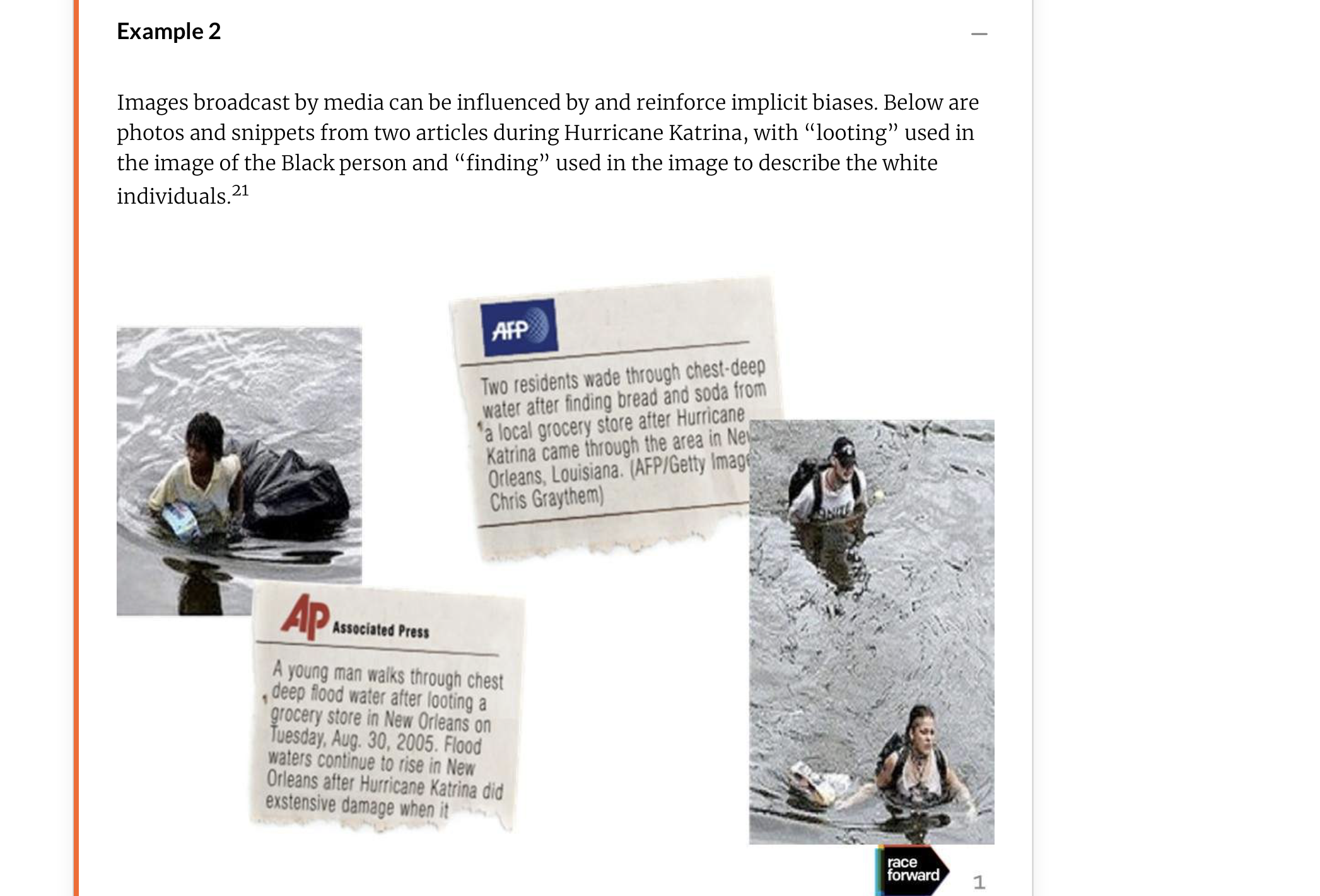
Recognizing Automatic Assumptions Explore real examples of unconscious judgments and their effects on practice. |
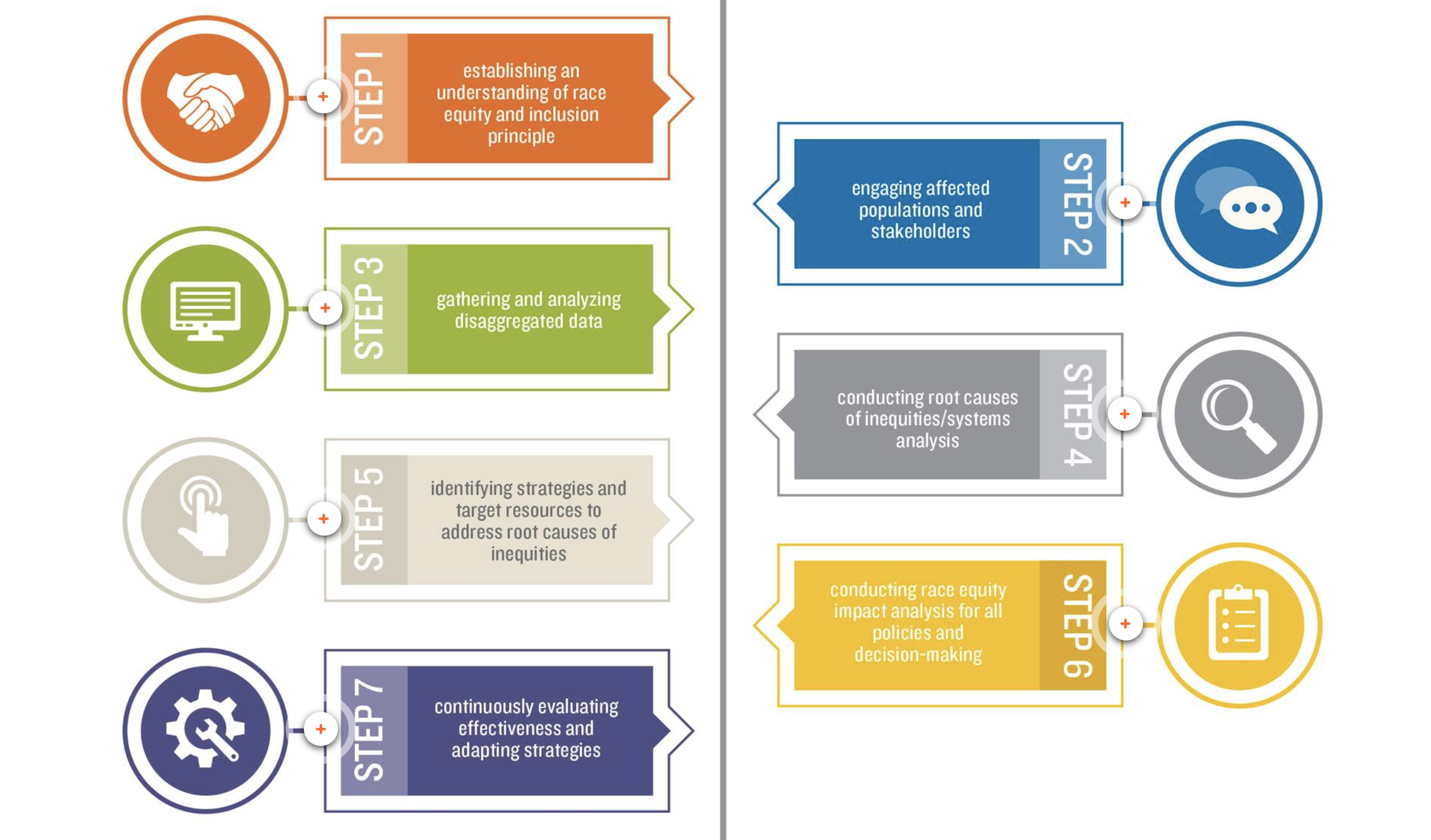
Refer to the Seven Steps to racial equity. |
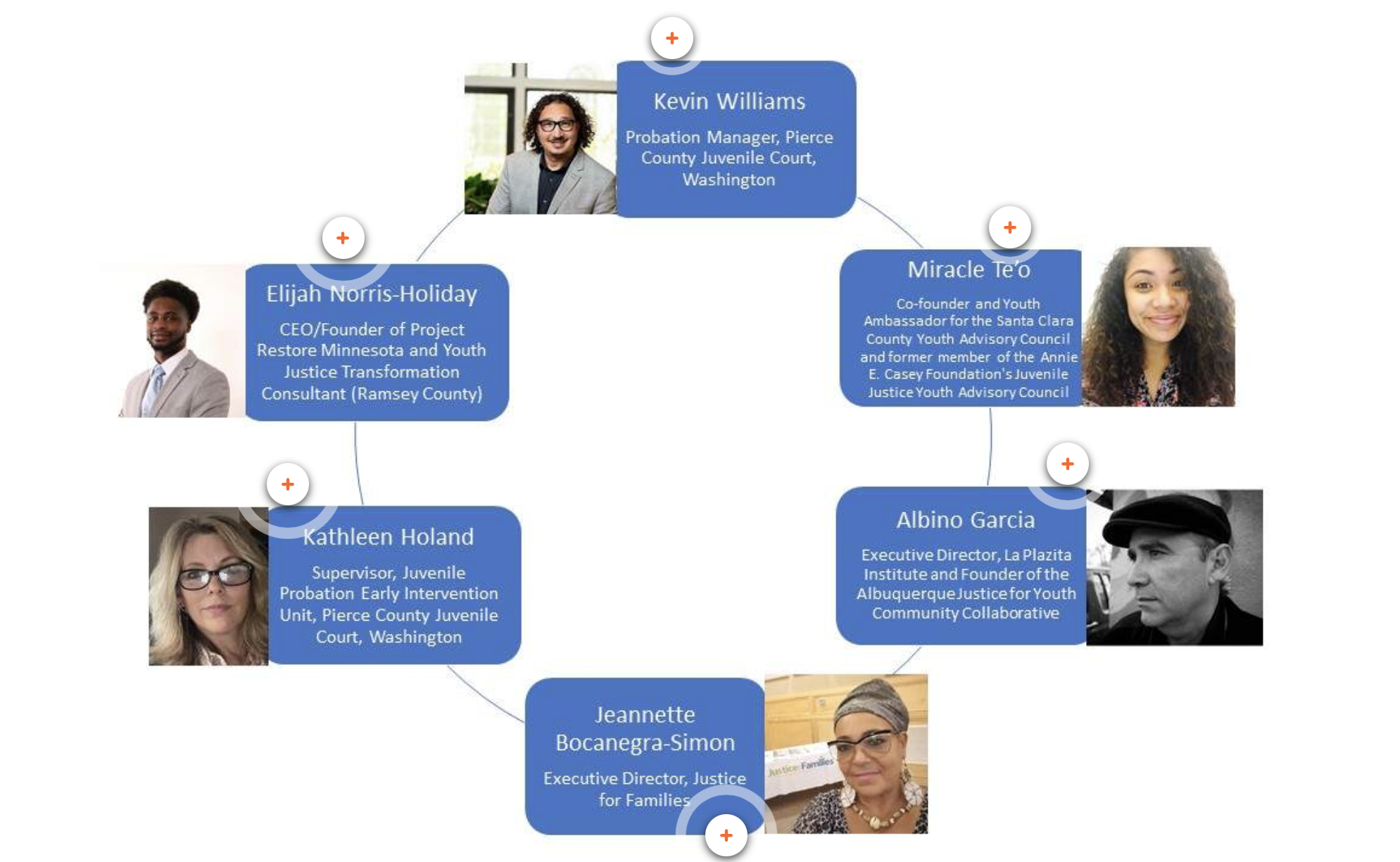
Meet the People Behind the Course
Interested in learning more about other courses?
Explore the Probation Transformation Training Series
Register now to access the course and explore strategies to advance racial equity in probation practice.
 | Earn 1.5 APPA Contact HoursThe American Probation and Parole Association (APPA) has approved this course for 1.5 APPA contact hours. Individuals who complete this course may be eligible for professional learning or contact hours, depending on the requirements of their jurisdiction and role. Completion certificates can be submitted through the appropriate local process for credit consideration. |
We hope you'll find value in this report. We’d love to get a little information from you, which we'll use to notify you about relevant new resources.