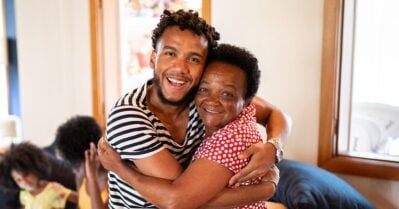



A Model HBCU Program Nurtures Students Who Have Experienced Foster Care

At Livingstone College, students who have aged out of foster care are finding the support they need to stay in school and thrive. The private, historically Black college in Salisbury, North Carolina, offers a campus support program tailored to their needs. The initiative was founded in October 2022 by Livingstone’s 13th president, Anthony J. Davis, Ph.D., who understands the journey firsthand after navigating college himself following time in foster care. The H.O.P.E. Emancipation Project — which stands for healing, opportunity, preparation and empowerment — reflects Davis’ lived experiences and the college’s commitment to student success.
The H.O.P.E. campus support program meets these challenges with a holistic, year-round approach that provides stability, structure and strong relationships, with an investment of about $35,000 per student:
- daily meals prepared by a campus chef;
- full coverage of tuition and fees;
- coordinated mental health care;
- year-round, on-campus housing, with opportunities to live with other President 13 scholars;
- monthly cohort meetings for peer connection and mentoring;
- a trained and certified success coach;
- bi-weekly progress reviews;
- access to tutoring through the Campus Success Center; and
- connection to Livingstone College’s Career Readiness Institute.
Since June 2024, the Annie E. Casey Foundation has supported implementation through technical assistance, training and limited funding for personnel and program participants.
From Foster Care to College President: Dr. Davis’ Journey
An estimated 29% to 64% of young people with foster care experience enroll in postsecondary programs, but only about 8% to 12% complete a two- or four-year degree by their middle to late 20s. The completion rate for their peers in the general population is 49%. This five-fold gap reflects barriers that too often derail students from paths to graduation.
Dr. Davis knows this firsthand. On the day he was born, his grandmother, who had been the primary caregiver to his teenage mother, passed away. As a result, he and his mother were placed in foster care and separated. Dr. Davis remained in care until shortly before aging out. At age 17, he emancipated himself from care and joined the United States Air Force. Later, at age 24, he reunited with his biological mother.
Dr. Davis went on to graduate from Livingstone College in 2001 with a Bachelor of Science in business administration. He earned his doctoral degree from United Theological Seminary. Then, in October 2022, he returned to his alma mater as its president and launched H.O.P.E.
Growing the H.O.P.E. Program and Investing in Student Success
What began with seven students now serves 22 and will welcome a new class of freshman in Fall 2026. The program also produced its first graduate in 2025. Students in the program are known as the President 13 Scholars, a designation that reflects both Davis’ leadership and personal investment in their success.
“I wanted something for young people who are just like me,” said Dr. Davis. “This idea was born out of me thinking, ‘Shame on me if I get to the penthouse and forget to send the elevator back down to bring those who come after me up.’”
Livingstone College plans to expand the program. It wants to offer seniors on-campus apartments and help them build independent living skills while staying connected through mentorship. The college continues refining its campus support model and strengthening partnerships to ensure every student has the tools to complete college and launch a career.
Finding Belonging in College: A President 13 Scholar’s Experience
Dr. Davis and the H.O.P.E. team collaborate with social service agencies and high schools to recruit future scholars. He shares his story with each scholar during orientation.
“Seeing where Dr. Davis started and where he is now motivates me,” said Kevin Jamil Seabrook, a President 13 Scholar and sophomore studying culinary arts and hospitality management. “He understands what students like us need.”
Through the program, Seabrook learned to build a resume and helped organize a career fair. He participates in coaching sessions and monthly meetings with other President 13 scholars that have helped him build relationships with peers who’ve had similar experiences.
“With H.O.P.E., you’re not just here to go to school,” said Seabrook. “They want you to grow, find your purpose and truly enjoy your time in college. When you come from the experiences I have, it’s easy to feel like you don’t belong in spaces, but H.O.P.E. gave me a sense of community and reminded me that I deserve to be here.”
How the Programs like H.O.P.E. Support Students From Foster Care
H.O.P.E. is not an isolated effort — it’s part of a growing, evidence-informed movement.
The first campus support program for students with experience in foster care launched at Cal State Fullerton in 1998. With over 375 programs nationwide, these initiatives provide students with designated staff or coaches who help them navigate the complexities of college while supporting the unique needs they have because of their foster care experience.
Recent research highlights why targeted campus support programs like H.O.P.E. are needed. Nationally, Black teens and older youth are disproportionately represented in foster care and more likely to age out without a permanent family or other adult caregivers who can support their academic aspirations and the steep climb to economic stability. Students who have experienced foster care — and particularly those who exited without a permanent family or caregiver — often face obstacles that make completing college difficult, including:
- housing insecurity;
- lost financial support;
- mental health needs; and
- lack of supportive connections.
“As colleges and child welfare systems explore ways to close persistent gaps in postsecondary success, investing in holistic approaches — and in the expertise of those who have experienced the system — will be crucial,” said Felicia Kellum, a senior associate with the Casey Foundation’s Family Well-Being Strategy Group and liaison to Livingstone’s project. “The H.O.P.E. Emancipation Project has the potential to be a best-practice model for other HBCUs to improve educational outcomes for youth who have aged out of foster care.”