


From Experience to Influence: 2025 Jim Casey Fellows Take the Lead
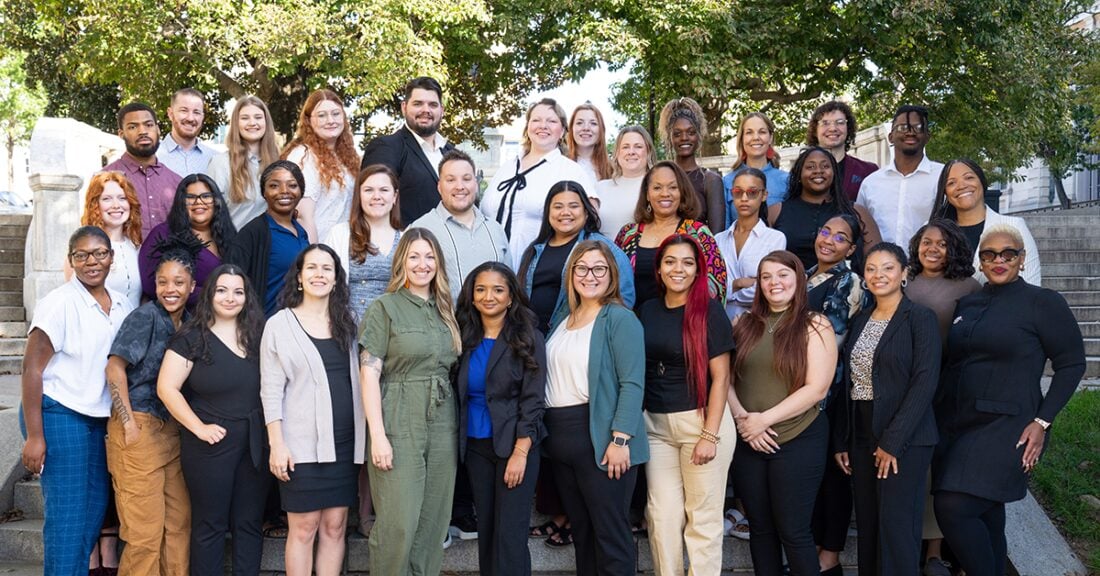
The Annie E. Casey Foundation has welcomed a new class of Jim Casey Fellows. These 18 young leaders, who have experience in foster care, will use their voices to improve child welfare policies and practices at the community, state and national levels.
The young leaders will build leadership and advocacy skills as they partner with the Foundation and its Jim Casey Youth Opportunities Initiative® network. Their work will help ensure that young people who have experienced foster care have the relationships, resources and opportunities they need to thrive as they transition to adulthood.
Learn more about the Jim Casey Initiative
The 2025 cohort joins a network of more than 150 leaders trained since the Jim Casey Fellowship launched more than 20 years ago.
The newest Jim Casey Fellows and their home states include:
- Michalann Clark (Oklahoma)
- Jada Cuttriss (Indiana)*
- Britney Deza (New Jersey)*
- Kayla DiBruno (North Carolina)*
- Jake Holley (Arizona)*
- Kai Jordan (Maryland)*
- Zainab Kehinde (Maryland)*
- Daisy Larson (Kansas)*
- Monica Malek (Iowa)*
- Jakiah Moore (Ohio)*
- Ethan Nixon (Rhode Island)*
- Layla Nytes (Mississippi)*
- Alondra Patino (Georgia)*
- Freedom Potter (Maine)
- Lisa Ramos (Connecticut)*
- Jasmine Shuler (South Carolina)*
- Brandon Washington (Tennessee)*
- Tianna Webster (Hawaii)*
- Keniya (KayKay) Parks (Washington, D.C.)
“Fellows are not just participants in this work — they are full partners,” said Alex Lohrbach, a senior associate with the Foundation’s Family Well-Being Strategy Group.
From the Youth Leadership Institute to the Jim Casey Fellowship
The Jim Casey Fellowship is open to young people who have completed the Foundation’s Youth Leadership Institute (YLI). Jim Casey Initiative network sites, and other local organizations that serve older youth with foster care experience, nominate young leaders who are involved in local advocacy efforts to attend YLI. During the five-day institute, participants immerse themselves in principles of authentic youth engagement to effectively advocate for their well-being and their peers. The training also strengthens their understanding of how data can support child welfare advocacy and deepens their knowledge of child welfare policies and practices.
YLI was about “learning how to advocate in a way that aligns with my values,” said Jim Casey Fellow Jakiah Moore, who partners with A Place 4 Me, the Jim Casey Initiative’s network site in Cuyahoga County, Ohio.
After completing YLI, participants apply what they learned in local systems change efforts, continuing to partner with the organizations and sites that nominated them and contributing to community- and systems-level projects. In addition to strengthening this local work, participants may apply to join the national Jim Casey Fellowship.
During the Fellowship’s first two years, Fellows engage in a learning structure designed to support their leadership and professional development goals while expanding opportunities for both local and national partnership. They continue contributing to efforts in their own communities and may also partner with the Casey Foundation in national leadership roles.
This year, many Fellows joined the Jim Casey Initiative’s Advisory Committee (ACOMM), a two-year commitment to serve as advisers to the Foundation’s Family Well-Being Strategy Group. In this role, they participate in workgroups, assess new foster care data, review reports before publication, co-facilitate trainings and contribute to national conversations where they can use their expertise to inform and shape programs, policies and resources for older youth in and transitioning from foster care. ACOMM members gathered in Baltimore in February 2026.
Leading on What Matters Most
A defining value of the Jim Casey Fellowship is that young leaders focus on the issues that matter most to them and their communities. The 2025 cohort’s areas of interest include:
- housing stability;
- financial stability;
- education and employment training;
- extended foster care;
- support for young parents;
- kinship care;
- sibling rights;
- prevention services;
- youth-driven case planning; and
- mental health and resources that support healing.
“By partnering with the Annie E. Casey Foundation and other advocates, I see a chance to amplify the impact of my work and create a world where young people in foster care do not just survive but thrive and turn their trauma into triumph,” said Jim Casey Fellow Jada Cuttriss, who partners with Foster Success, the Jim Casey Initiative’s network site in Indiana. “The Fellowship represents the bridge between lived experience and systems change, and I want to be part of that movement.”
The 2025 cohort is also interested in developing skills in meeting facilitation, public speaking, community and civic engagement and pairing data with personal stories about their experience in foster care. Fellows involved in Foundation projects are assigned meaningful roles that match the skills they want to build. In alignment with the Authentic Youth Engagement Framework, Jim Casey Fellows are prepared and supported to confidently and effectively shape solutions.
“The Casey Foundation and Jim Casey Initiative network sites and partners value what young people with experience in foster care bring to improve outcomes while also investing in their leadership and personal development by supporting them to use their skills, wisdom and voices to influence change,” said Lohrbach. “When we succeed at both, Fellows grow as leaders and the solutions they shape are stronger.”
*An asterisk indicates a Jim Casey Fellow who also serves on the Jim Casey Initiative’s Advisory Committee.