

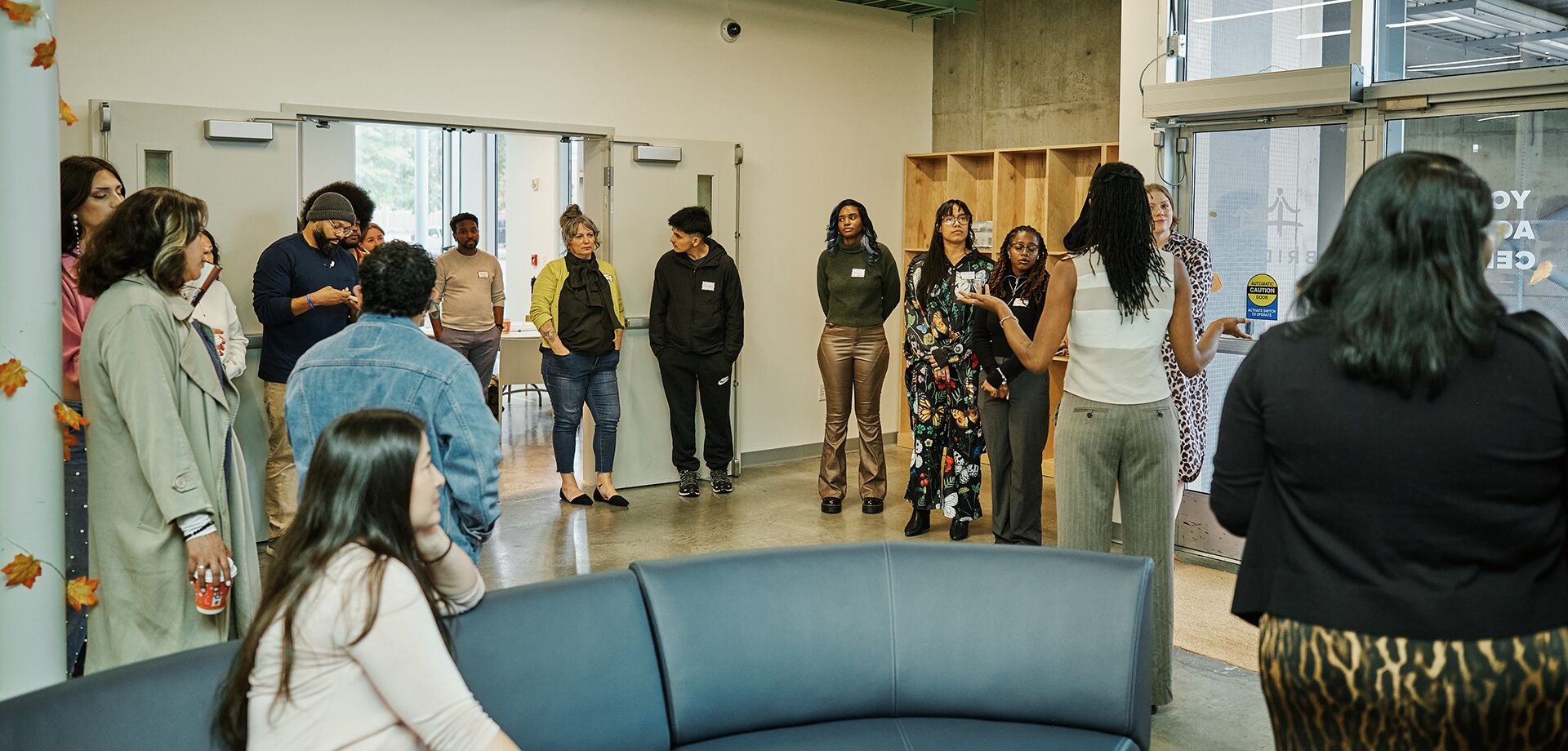
The Organizational Readiness Assessment helps organizations understand the conditions that support meaningful youth-adult partnership. After completing the assessment, youth and adults can use this facilitation guide to reflect on their results together.
The guide provides a structured, 90-minute session for identifying patterns, differences in experience and areas of alignment or tension across roles and generations.
The purpose is to understand what the results reveal about organizational readiness, capacity and current conditions — not to evaluate performance or develop an action plan.
Recommended session length.
Youth participants and adult staff, including leadership.
Overall score, domain averages and youth-adult comparisons
Prepare the following materials before the session:
For larger groups, plan to use breakout groups so participants have sufficient opportunities to contribute.
The facilitator's role is to create conditions for honest, balanced reflection across generations.
Facilitators are responsible for:
Facilitators should help participants notice patterns and differences without interpreting assessment results or directing the group toward conclusions.
Facilitators do not need to be content experts. Their responsibility is to support a productive reflection process, not diagnose organizational readiness.
When urgency, defensiveness or a desire to find solutions emerges, slow the conversation and return to the session's purpose.
Rely on shared agreements rather than individual authority to maintain balance and navigate tension.
Pay attention to whose voices dominate the conversation. If adults are speaking most often, create opportunities for young people to contribute.
Help the group recognize patterns and differences without diagnosing organizational conditions or deciding what the findings mean.
Watch for pressure to develop solutions or make commitments. The session is intended to support reflection and understanding, not immediate action planning.
Avoid explaining away differences in responses. Instead, encourage participants to explore what those differences may reveal about organizational experiences.
Young people should be able to share their own experiences without being expected to represent every young person's perspective.
Placement on the Intergenerational Partnership Spectrum describes current organizational conditions. It should not be treated as a verdict on organizational performance.
Community agreements are shared expectations for how participants engage with one another. They may include listening with curiosity, speaking from experience, respecting different communication styles and resisting the urge to fix or defend.
If your organization already has community agreements, use them during the session. Display the agreements where everyone can see them and explain that they are intended to support conversations like this one.
If your group does not have established agreements, take a few minutes to identify shared expectations.
Community agreements should remain active throughout the discussion. When conversations become uncomfortable, uneven or tense, facilitators should return to the agreements rather than relying on individual authority to guide the group.
Ready to Facilitate Your Discussion?
We hope you'll find value in this report. We’d love to get a little information from you, which we'll use to notify you about relevant new resources.
