

The department’s policies and practices help ensure all young people can reach their potential.

Review a checklist offering 15 concrete steps that juvenile probation agencies can take to promote racial and ethnic equity and inclsuion. This checklist is excerpted from the Casey Foundation's 2018 publication on transforming juvenile probation.

Read about three strategies that are helping juvenile justice systems to safely and significantly reduce racial and ethnic disparities. (page 17)

Take this free online course to explore what it means to expand opportunity for all, including following data disaggregated by race and ethnicity to identify, understand and propose strategies to correct disparities.
Data is disaggregated by race and ethnicity, and results are analyzed to identify decision points where policy or practice changes could advance opportunity for all.

Start using Pro-DATA, a free resource created by the Annie E. Casey Foundation to support data-driven decision-making and data transparency in youth justice at the local and state levels. This secure, online tool makes it easy to collect and analyze your department's data, while also allowing comparisons to similar jurisdictions.

Explore an interactive dashboard with current data on youth detention across U.S. jurisdictions representing about 13% of the youth population.
Explore Maryland's data dashboard for an example of how one state system is compiling, disaggregating and publishing data about basic measures.

Read about recent trends in youth justice in this policy brief by the Sentencing Project. One such trend is that racial and ethnic disparities in youth incarceration and sentencing have intensified despite steep declines in crime and incarceration.
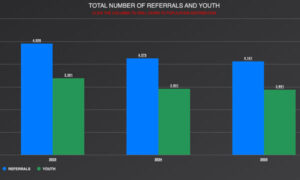
Browse Harris County's databoard for an example of how one local probation agency compiles, disaggregates and publishes data about basic measures.
A high-level committee or work group within the department is empowered to follow the data to identify, understand and propose strategies to correct disparities.

Learn how to conduct a root-cause analysis as one of the seven steps your organization can take to address racial disparities and expand opportunity. (page 10)

Read an overview of the mission and vision of Pierce County Juvenile Court's Equity Team. This document is shared with all new staff members at the juvenile court.

Learn about the history of the Pierce Court Juvenile Court's Equity Team and browse a sample of the Team's work.
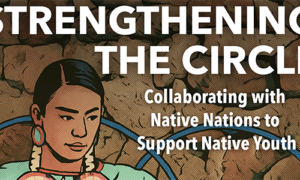
Get guidance on collaborating with Native Nations, Pueblos and Tribes and cultural competency to support indigenous youth who encounter the legal system.
The department develops and implements policy or practice changes that work to remove barriers that keep groups of young people from opportunity.

Watch a six-minute video that tells the story of justice leaders and their community partners in Harris County, Texas, repurposing a juvenile correctional facility as a non-secure space for school, skill development and community connections for young people and local residents. This adaptation is part of a broader narrative surrounding youth justice in Harris County, moving away from punitive measures to more effective and positive approaches.
Take this free online course to explore what it means to expand opportunity for all, including following data disaggregated by race and ethnicity to identify, understand and propose strategies to correct disparities.
Consider eight actions gleaned from community-led efforts to strengthen accountability, transparency and public safety rooted in healing rather than punishment.
Read about three strategies that are helping juvenile justice systems to safely and significantly reduce racial and ethnic disparities.
Learn how to identify strategies and target resources as one of the seven steps your organization could take to address racial disparities and expand opportunity for all.
We hope you'll find value in this report. We’d love to get a little information from you, which we'll use to notify you about relevant new resources.
