

Probation policy, practice and structure aim to minimize out-of-home placement and conserve probation resources for youth with serious charges who pose a significant risk to public safety.

Read the National Institute of Criminal Justice Reform's 2026 report that focuses on identifying and supporting the very small subset of young people in the juvenile justice system who are both high risk and hard to reach, often called HR2 youth.

See a summary from the National Council on Juvenile and Family Court Judges about why and how judges should consider probation for youth with serious offenses. (page 68)
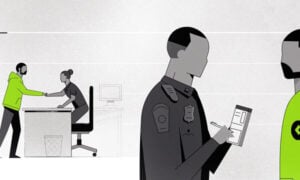
Learn how Roca, a community-based organization, pursues its mission to relentlessly disrupt violence by engaging young people, police and systems to heal trauma, find hope and drive change. Roca serves young people in three Northeastern jurisdictions and provides technical assistance and training throughout the country.
At least 70% of new probation cases are based on an underlying felony adjudication.

Consider the evidence against informal probation and explore developmentally appropriate alternatives. (page 25)

Learn how probation leaders in Tacoma, Washington, have demonstrated that most youth who get in trouble with the law can get back on track without incarceration.
Department policy and/or court practice provides that probation officers may not recommend disposition to an out-of-home placement until a family team meeting and/or case staff meeting has been convened to explore all possible alternatives, including emergency intervention strategies.

Review concrete strategies that state and local systems can pursue to hold young people accountable in the community while building their skills, creating long-term behavior change and preventing incarceration.

Read about how to use Youth Family Team Meetings to design individualized service plans that support a young person's move away from negative behaviors, written by a national expert.

Explore a how-to guide on using Youth Family Team Meetings in juvenile justice.

Learn how Maryland's Department of Human Services uses family team decision meetings to help families get the services, resources and support they need to create a safe, stable and nurturing home environment.
Funding mechanisms at the county and state levels exist to incentivize the use of probation over placement, and local decision-makers leverage those funding mechanisms to maximize resources for community-based support and interventions.

Read about RECLAIM Ohio, a funding initiative that encourages juvenile courts to pursue a range of community-based options to meet the needs of each young person adjudicated delinquent or youth at risk of offending. By diverting youth from Ohio Department of Youth Services (DYS) institutions, courts have the opportunity to increase the funds available locally through RECLAIM.

This two-pager from the Urban Institute helps jurisdictions identify strategies for investing in community-based solutions. For more information and examples of how other jurisdictions have leveraged these strategies, see Promoting a New Direction for Youth Justice: Strategies to Fund a Community-Based Continuum of Care and Opportunity (https://www.urban.org/research...).
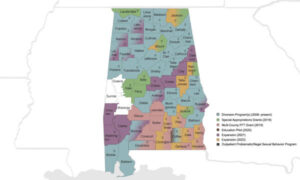
Read about the diversion funding program at the Alabama Department of Youth Services (DYS), which provides alternatives to state custody and commitment to DYS while developing local diversion resources for juvenile courts and the state.
Department policy does not mandate out-of-home placement for any youth, regardless of offense or risk profile. Statutory mandates are narrowly applied and tracked annually.
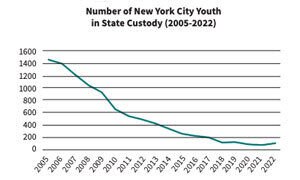
Learn about a collection of policy changes and new partnerships that helped New York City's juvenile justice system reduce out-of-home placements by nearly 90%, from over 1,400 in 2005 to fewer than 100 in 2024. (page 12)
We hope you'll find value in this report. We’d love to get a little information from you, which we'll use to notify you about relevant new resources.
