

Probation engages and partners with youth, families and communities, relying on community-based organizations as the primary vehicle for the delivery of services, support and interventions for young people.

Learn the value of connecting family members to peer mentors (sometimes called family advocates or family navigators) as a way to engage families as partners. (page 21)

Take this free online course to explore what authentic family engagement looks like, why it is a necessary part of probation transformation and what steps individuals and agencies — in partnership with families themselves — can take to bring it to life

Take this free online course to explore the core principles and practices of Positive Youth Justice, a strengths-based, relationship-focused approach to working with youth in the justice system.
The department maintains partnerships with community organizations and other caring adults in neighborhoods where young people on probation live. Probation staff rely on those non-system partners to connect young people with positive opportunities, such as exploring their interests, building skills and contributing to the well-being of their communities.

Take this free online course to explore the core principles and practices of Positive Youth Justice, a strengths-based, relationship-focused approach to working with youth in the justice system.
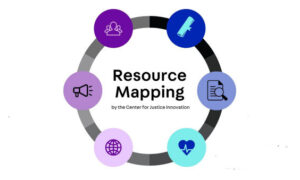
Designed by the Center for Justice Innovation, this two-part resource includes guidance and best practices for courts to develop strong relationships with local resource providers. It also includes a comprehensive spreadsheet to help courts maintain a robust offering of resources for the people they serve.

Learn about the Community Connections for Youth's approach to assessing community capacity across five domains: philosophy, place, procurement, planning and programming.

This tool kit makes asset-mapping accessible to anyone, providing materials and resources to assist with the “how-to” of finding and engaging the positive people, opportunities, activities and other assets that exist in all communities.

Learn about community-based violence intervention efforts in Baton Rouge, Louisiana, where the Chief of Police partnered with community leaders who had lost family members to gun violence to design, implement and monitor a new model of policing.
The department employs or contracts with peer mentors or navigators to support families.
Take this free online course to explore what authentic family engagement looks like, why it is a necessary part of probation transformation and what steps individuals and agencies — in partnership with families themselves — can take to bring it to life

Watch two mothers of young people in the youth justice system offer insight and empathy to families facing similar challenges. Understanding comes best from those who have walked the same path. This video was produced by the Harris County Juvenile Probation Department in Houston, Texas.
Learn the value of connecting family members to peer mentors (sometimes called family advocates or family navigators) as a way to engage families as partners.

Read about the importance of case file reviews to understand how decisions are being made and identify opportunities for improvement. (page 24)

Learn about a family navigator program hosted by a community-based organization in New York City, in partnership with the probation department.
Fines and fees are not imposed on young people or their families.

Explore resources compiled by the Juvenile Law Center documenting the widespread harms of fines and fees in juvenile justice and sharing examples of the many ways states and localities are replacing fines and fees with alternatives.
Read a report from the U.S. Department of Justice in 2023 highlighting promising practices across the country that are eliminating fines and fees in youth justice.

Learn how legislation in Michigan eliminated most fines and fees.

Review recommendations from young people about alternatives to fines and fees.

Read empirical research about the effects of fines and fees imposed by juvenile probation departments and courts across the country.
Youth and families served by the system are involved in juvenile justice planning and compensated accordingly.
Learn how to establish and maintain a successful family advisory council. Step 1 is "Prepare for Partnership," which includes a discussion of compensation.
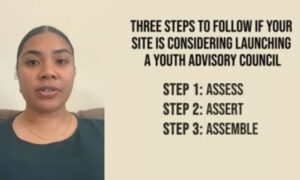
Watch a video explaining three vital steps in creating a youth advisory council, including compensation.

Read a guide to help families navigate the court process, developed by the Family Advisory Council to the Pierce County Juvenile Court in Tacoma, Washington.

Hear directly from young people, elected officials and system leaders about the power of community-system partnerships in Ramsey County, Minnesota. This video was produced by Youth Lens 360.

Read a first-person account of transitioning from incarceration to advocacy, making the case for people with lived experience as credible navigators and peer supporters.
We hope you'll find value in this report. We’d love to get a little information from you, which we'll use to notify you about relevant new resources.
